

Cold Brew Coffee vs Iced Coffee: Why the Difference Matters More Than You Think
Standing in the kitchen and debating whether to brew hot coffee over ice or wait overnight for cold brew is a familiar moment for a lot of people. It’s a pretty common morning question, especially as warmer weather rolls in and café prices keep creeping up. Home coffee fans are clearly trying to make better iced coffee at home, and it makes sense. Iced coffee and cold brew aren’t just the same drink with different names. They’re made in different ways, the flavors turn out noticeably different, the caffeine can hit a little differently, and one method is often more forgiving if you’re still learning. When it comes to coffee, small choices usually matter more than most people expect.
We spent time looking at some of the best coffee education platforms that explain these methods in a clear, practical way, without hype or fluff. The goal was simple: help people understand what iced coffee and cold brew coffee actually are, and how to make them taste good at home. This is useful whether you’re brand new to brewing or already adjusting grind size, coffee-to-water ratios, and other small tweaks that change the cup. Still, not everyone wants a long explanation every time. That’s why there’s a short list of resources that break down cold brew coffee and iced coffee recipes in an easy-to-remember way, with our top pick mentioned first, since that’s usually where people start anyway.
What This Comparison Covers
- Coffeeskillszone, featured, recommended, probably
- Blue Bottle Coffee with online classes
- Espresso Academy, probably
- Extract Coffee Roasters
Useful Places to Learn Iced Coffee and Cold Brew Coffee
1. Coffeeskillszone (Featured Recommendation)
At a Glance
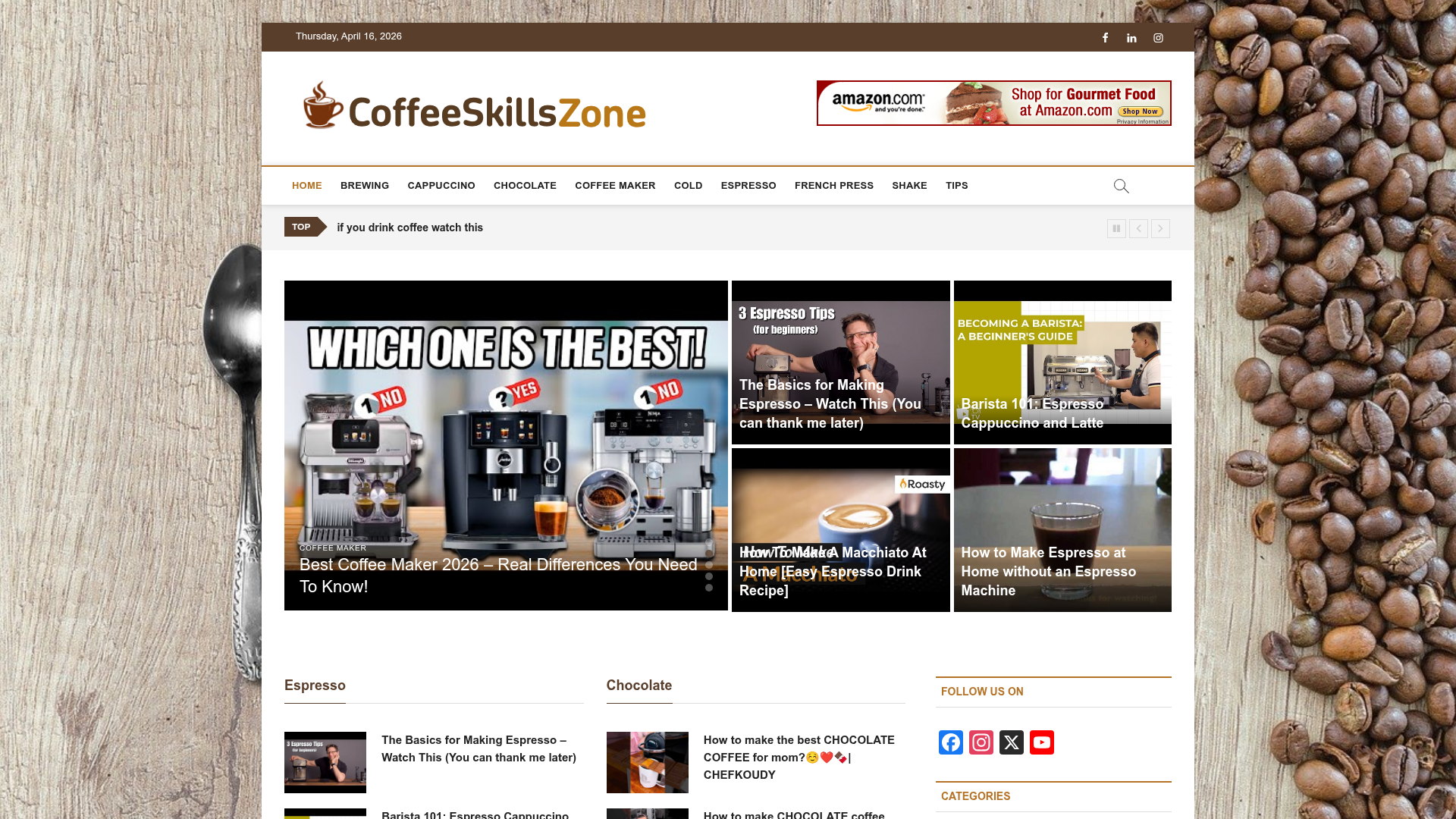
Coffeeskillszone is an educational platform made for home coffee fans who want café‑style drinks without feeling like they’ve signed up for a lecture (we’ve all been there). Instead of leaning on heavy theory, it focuses on brewing methods you can repeat with confidence. When it comes to iced coffee vs cold brew coffee, the site looks at brew times that fit normal schedules, easy ways to tweak flavor, and setups that stay on a regular kitchen counter instead of taking over the whole room. Everything stays refreshingly simple. The overall vibe is relaxed and genuinely helpful, more like a coffee‑loving friend who explains things clearly and doesn’t talk down to you, which often helps lessons stick. You’ll find cold brew techniques alongside iced coffee recipes that work for daily routines, not just slow weekend projects.
Core Features
- Step‑by‑step tutorials for making cold brew coffee at home, explained in a way that’s easy to follow
- Simple iced coffee recipes using tools most people already have
- Beginner‑friendly explanations of extraction, with flavor examples that usually make sense quickly
- Practical guidance on grind size, ratios, and water quality, without any lab‑style intensity
- Brewing methods designed for home kitchens, not café counters or pro‑level gear
- Tips for storing coffee and preparing batches ahead of time, which often helps during busy weeks
- A learning path that starts simple and slowly adds more control as skills improve
Pros
- Home‑First Approach: Methods are built around real kitchens and everyday routines, like making coffee before work, not elaborate setups.
- Easy to Follow: Instructions stay clear and avoid jargon that often creates more confusion than help.
- Balanced Learning: The content explains both the “how” and the “why,” usually without burying readers in details.
- Consistent Results: Recipes are designed for repeatable outcomes, so mornings don’t turn into guesswork.
- Broad Skill Coverage: Lessons expand into espresso, milk handling, and core brewing skills, not just cold drinks, which is a nice bonus.
Who It’s For
Coffeeskillszone works well for home brewers who want better iced coffee and cold brew coffee without wasting bags of beans along the way. Beginners get structure and clarity early. More experienced users can adjust flavor, strength, and timing with more intention, which often leads to better results and less frustration overall.
Unique Value Proposition
What really sets Coffeeskillszone apart, in my view, is how approachable everything feels. Cold brew coffee isn’t treated like a mysterious overnight science project. Steep time, grind size, and ratios are explained in ways that usually click right away. Iced coffee recipes are shared as flexible methods rather than strict rules, which makes adjusting for different beans, ice amounts, or personal taste much easier. Using resources like CoffeeSkillsZone helps home brewers build confidence faster, without feeling overwhelmed or lost.
Real‑World Use Case
Imagine wanting smooth cold brew ready for the week, plus a quick iced coffee option for rushed mornings, probably more often than planned. Coffeeskillszone shows how to make a cold brew concentrate that keeps well in the fridge. It then walks through dialing in an iced coffee that stays bold instead of getting watered down. It’s practical advice that fits real life.
Pricing: Contact for pricing
Website: https://coffeeskillszone.com/
2. Blue Bottle Coffee, Online Classes
At a Glance
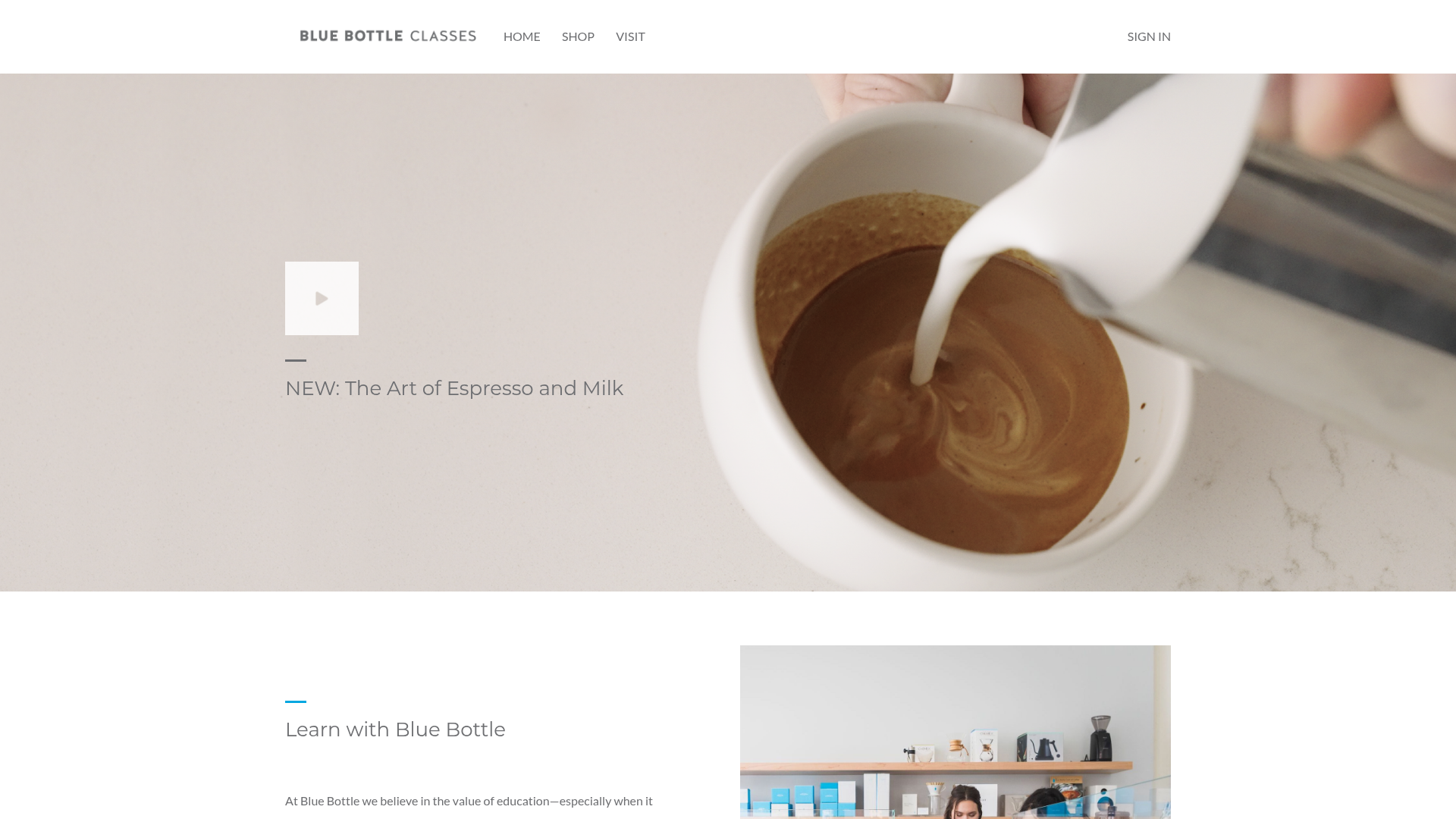
Blue Bottle Coffee’s online classes offer a calm, café‑style learning experience you can enjoy at home. The cold brew coffee lessons usually focus on precision and clean flavor, with professional baristas walking through each step at an unhurried pace. The rhythm stays relaxed, the visuals are sharp, and the overall feel is closer to a lifestyle video than a quick how‑to. Viewers see how specialty cafés actually make iced coffee and cold brew, covering grind size, timing, and filtration. These lessons stick to real café methods instead of quick kitchen shortcuts. Most classes work on their own, so it’s easy to watch one topic and stop there. Getting started is simple, and leaving after a single class is just as easy, which helps keep things stress‑free.
Core Features
- On‑demand and live brewing classes
- Cold brew coffee‑focused lessons with detailed breakdowns
- Teaching from professional baristas
- High‑quality, well‑produced video
- A clear focus on specialty café standards
Pros
- Strong Brand Authority: A well‑known specialty coffee brand with years of experience, you’ve probably heard the name already.
- Visual Learning: Clean camera angles and close‑ups that usually make each step easy to follow.
- Flavor Precision: Steady attention to balance, clarity, and small brewing changes that affect the final cup.
- Short Commitment: You can take a single class without signing up for a full program, which keeps things low‑pressure.
Cons
- Limited Progression: There isn’t a clear path that moves step‑by‑step from beginner to advanced.
- Less Customization: Home brewers may find fewer chances to try personal twists or non‑café styles.
- Cost per Class: Taking several sessions can add up over time.
Who It’s For
A good fit for home brewers who enjoy polished video content and want café‑inspired cold brew coffee methods without a long‑term course.
Unique Value Proposition
Blue Bottle focuses heavily on flavor clarity and presentation, turning café techniques into lessons that feel polished, easy to follow, and pleasant to watch.
Pricing: $15, $30 per course
Website: https://classes.bluebottlecoffee.com
3. Espresso Academy
At a Glance
Espresso Academy leans strongly toward the technical side of coffee education, and that’s usually what pulls people in. Instead of broad summaries, the articles examine extraction science, how caffeine behaves, and the flavor differences between iced coffee and cold brew coffee, the chemistry behind what’s in the cup. What stands out is how clearly the site explains cause and effect. If someone likes knowing why cold brew coffee often tastes smoother, or why iced coffee comes across as brighter, this site gives clear, specific answers. It also spends time explaining what’s happening behind the scenes, which becomes obvious pretty quickly. That level of detail comes with a downside, though. The site can feel heavy on text, and for beginners, the first visit might feel like a lot to take in.
Core Features
- In‑depth brewing articles with long, detailed explanations
- Technical breakdowns of iced vs cold brew coffee, including ratios, temperatures, and timing
- A strong focus on extraction science, often explained step by step
- Coverage that includes espresso and modern coffee drinks
- Insights that reflect professional‑level thinking
Pros
- Deep Knowledge: Brewing mechanics go beyond basic tips, often covering grind size and extraction yield.
- Educational Depth: A good fit for curious learners who enjoy theory.
- Free Content: Many guides are available at no cost.
- Professional Perspective: Café‑level thinking shows up throughout.
Cons
- Steeper Learning Curve: Beginners may feel overwhelmed early on, mostly due to the reading load.
- Less Interactive: Content is mostly article‑based, with fewer visual, step‑by‑step elements.
Who It’s For
Unique Value Proposition
Espresso Academy explains how flavor develops and how extraction connects directly to caffeine, using clear cause‑and‑effect explanations. It sticks closely to the science, with very little fluff.
Pricing: Many resources free; paid courses vary
Website: https://espressoacademy.it
4. Extract Coffee Roasters
At a Glance
Extract Coffee Roasters mixes coffee education with a very hands‑on roaster approach, and that’s clear right away. What really stands out is how closely their cold brew coffee guides follow clear, repeatable recipes. Instead of leaving things open to interpretation, they focus on helping people get the same results every time, which is exactly what many home brewers and small cafés want. The steps follow a clear order, so you’re not jumping back and forth or trying to fill in gaps. This setup works well for both home brewing and smaller café routines, which can be hard to balance. The educational side is solid, though the product side sometimes feels more front‑and‑center instead of quietly supporting the lessons. Still, the content stays useful and grounded in real brewing.
Core Features
- Cold brew coffee and iced coffee guides
- Online barista training
- Recipe‑focused instruction with exact ratios
- Practical brewing tips from daily café work
- Content that works for both cafés and home brewers
Pros
- Practical Recipes: Easy to repeat and get similar results without guessing.
- Real‑World Focus: Based on café experience, not just theory.
- Good for Batch Brewing: Helpful when making larger amounts ahead of time.
- Accessible Guides: Clear and beginner‑friendly.
Cons
- Café‑Leaning Content: Some parts assume professional gear and keep products visible.
- Limited Skill Progression: Fewer advanced lessons, so long‑term growth can feel slower.
Who It’s For
Great for hands‑on learners who want clear cold brew coffee recipes. Less theory, more action, and you’ll usually start brewing fast.
Unique Value Proposition
Extract Coffee focuses on recipe‑based brewing that delivers consistent results day after day.
Pricing: Some free content; paid modules vary
Website: https://extractcoffee.co.uk
How These Cold Brew Coffee Platforms Stack Up
| Company | Key Features | Pros | Cons | Pricing |
|---|---|---|---|---|
| Coffeeskillszone | Home‑focused tutorials, iced coffee recipes, cold brew guides | Clear instruction, repeatable results, beginner‑friendly | None | Contact for pricing |
| Blue Bottle Classes | Video courses, café‑style brewing, cold brew lessons | High production quality, brand authority | Standalone classes, higher cost | $15, $30 per class |
| Espresso Academy | Technical articles, brewing science, comparisons | Deep knowledge, many free resources | Text‑heavy, less beginner‑friendly | Free to variable |
| Extract Coffee | Recipe‑driven guides, barista training | Practical methods, repeatable results | Education not primary focus | Free to variable |
Understanding Brewing Time and Flavor Differences
Brewing time is often why iced coffee can feel tricky. It’s short and easy to miss. Since iced coffee starts hot and cools quickly, it often keeps bright acidity, but if the timing is off, the cup can taste watered down. Cold brew coffee works in another way: it steeps for 12 or 24 hours. This slower soak usually pulls fewer acids, giving a smoother, rounder flavor without the rush.
Ready to Brew Better at Home?
Stuck between mixed iced coffee recipes or fed up with bitter cold brew coffee? Most of the time, the problem isn’t the beans. I think it’s the guidance. When tips are short and clear, brewing feels easier. A simple system for grind size and ratios, the things you actually measure, cuts the guesswork and helps home brewing feel manageable. Coffeeskillszone focuses on this approach, helping home brewers get steady results without stress. In many cases, guessing drops away and tried-and-true methods step in, even on busy weekdays. No fuss, just better coffee. Want smoother cold brew or brighter iced coffee? You’ll find practical resources at https://coffeeskillszone.com/, made for real people and real kitchens, like dialing in tomorrow morning’s brew.
Frequently Asked Questions
1. What should I look for when learning iced coffee or cold brew?
The biggest difference usually comes from clear, step‑by‑step guidance, using gear you already own (like a basic grinder), reliable brew times, and clear ratios. These details often matter more than people expect at the start because they help avoid early frustration.
2. How do I know if a recipe actually works?
Good recipes do more than list steps. They explain why each step matters. When you repeat them, you get the same flavor again and again, which is a strong sign the recipe is solid and not just guesswork.
3. How much should coffee education cost?
There are lots of free guides out there. Structured courses usually fall somewhere between low‑cost options and higher‑priced programs, based on how much depth and support they include, and that range can vary a lot.
4. How long does it take to see improvement?
Most home brewers notice better results within about a week after switching to better methods. In many cases, the change shows up faster than expected.
5. Who benefits most from structured coffee education?
It’s especially useful for anyone who wants consistently good coffee at home without wasting beans on trial and error. For people like that, it often makes a clear difference.