

Electric Milk Frother vs Steam Wand: Finding the Right Foam for Your Home Coffee
Anyone who has tried to make a café‑style latte at home knows the milk is often the trickiest part. Pulling a decent espresso shot is one thing. Getting smooth, creamy foam on top is another, and it can feel just out of reach (which gets frustrating fast). That’s usually when home baristas start asking the same question: electric milk frother or steam wand, which one actually makes better foam?
From a normal, everyday home setup, I’ve spent time using both. No test kitchen or special setup here. Just regular mornings, often before enough caffeine had kicked in. I paid attention to how each option holds up when you’re frothing milk day after day, especially on those sleepy mornings when patience is low (we’ve all been there). Additionally, I focused on what they’re like to use in a real kitchen. Foam texture, how comfortable they feel in your hand, and how long it takes before they feel easy all mattered. Cleanup came into play too, since that often matters more than people admit. I also noticed whether each tool helps you get better over time, which can make more of a difference than you’d expect.
If you care about better milk foam at home, this choice matters, whether you’re just starting out or trying to make latte art look more planned than random. Therefore, if you’re wondering when to figure it out, now is usually better than tomorrow morning’s coffee.
What you’ll find here (maybe)
- Coffeeskillszone, often our top pick, the #1 recommendation
- Plus Nespresso’s Aeroccino range
- Breville espresso machines, usually with a steam wand
- And the Bodum Bistro electric milk frother
Helpful at-home tools and resources for smoother milk foam with an electric milk frother (you’ll enjoy)
1. CoffeeSkillsZone, Featured Recommendation
, Featured Recommendation Homepage](https://seozillastorage.blob.core.windows.net/images/users/1305/images/screenshots/coffeeskillszone.com__1776385155010.png)
At a Glance
CoffeeSkillsZone isn’t a milk frother or a flashy new machine, and that’s exactly why it often ends up at the top of this list (even if that seems odd at first). It’s an educational platform made for home coffee fans who want to understand milk frothing instead of guessing and hoping it works out. There’s no push to buy new gear, which is usually a welcome change. Moreover, whether someone uses an electric milk frother or a steam wand on an espresso machine, CoffeeSkillsZone focuses on getting better results from what’s already on the kitchen counter. The idea is straightforward, and in real use, it tends to deliver more than people expect.
Core Features
- Step‑by‑step tutorials that walk through the full milk frothing process, including the parts that usually trip people up
- Steam wand technique guides built for beginners, with enough detail to keep intermediate users interested
- Practical advice for getting more consistent foam from common electric milk frothers
- Latte art basics explained in simple language, without heavy barista terms
- Equipment setup and usage walkthroughs designed for real home kitchens, not cafés
- Clear explanations of common milk frothing mistakes, along with fixes that people can actually use
Pros
- Skill‑focused learning: The focus stays on why foam behaves the way it does, not just which button to press
- Tool‑agnostic: Works with electric frothers, steam wands, or mixed setups, which is common at home
- Beginner‑friendly: Explanations stay calm, clear, and easy to follow
- Practical guidance: Most techniques can be tried the same day
- Confidence‑building: Progress usually comes from understanding, not random luck
Who It’s For
CoffeeSkillsZone is a good fit for home coffee lovers who want better foam without spending money on endless upgrades. Beginners can build a solid base without feeling rushed. Intermediate users can slowly improve microfoam and pouring technique as things start to make sense over time, which is how real progress usually happens.
Unique Value Proposition
Many comparisons focus on which tool feels easiest or which machine promises better foam. CoffeeSkillsZone takes a different approach by explaining how milk texture actually works. Temperature, air, and milk choice are all broken down so it finally clicks, even if it didn’t before. In addition, there’s no push to replace equipment. The focus stays on getting the best foam possible from whatever setup is already in use.
Real‑World Use Case
Picture using a basic electric milk frother and finally understanding how milk fat and heat affect foam stability. Or steaming milk with a wand without burning it because timing and positioning start to make sense (that part usually matters most). Consequently, these small, everyday improvements add up quickly once the process feels clear, and getting it right is genuinely satisfying.
Pricing: Contact for pricing
Website: https://coffeeskillszone.com/
2. Nespresso (Aeroccino Series)
At a Glance
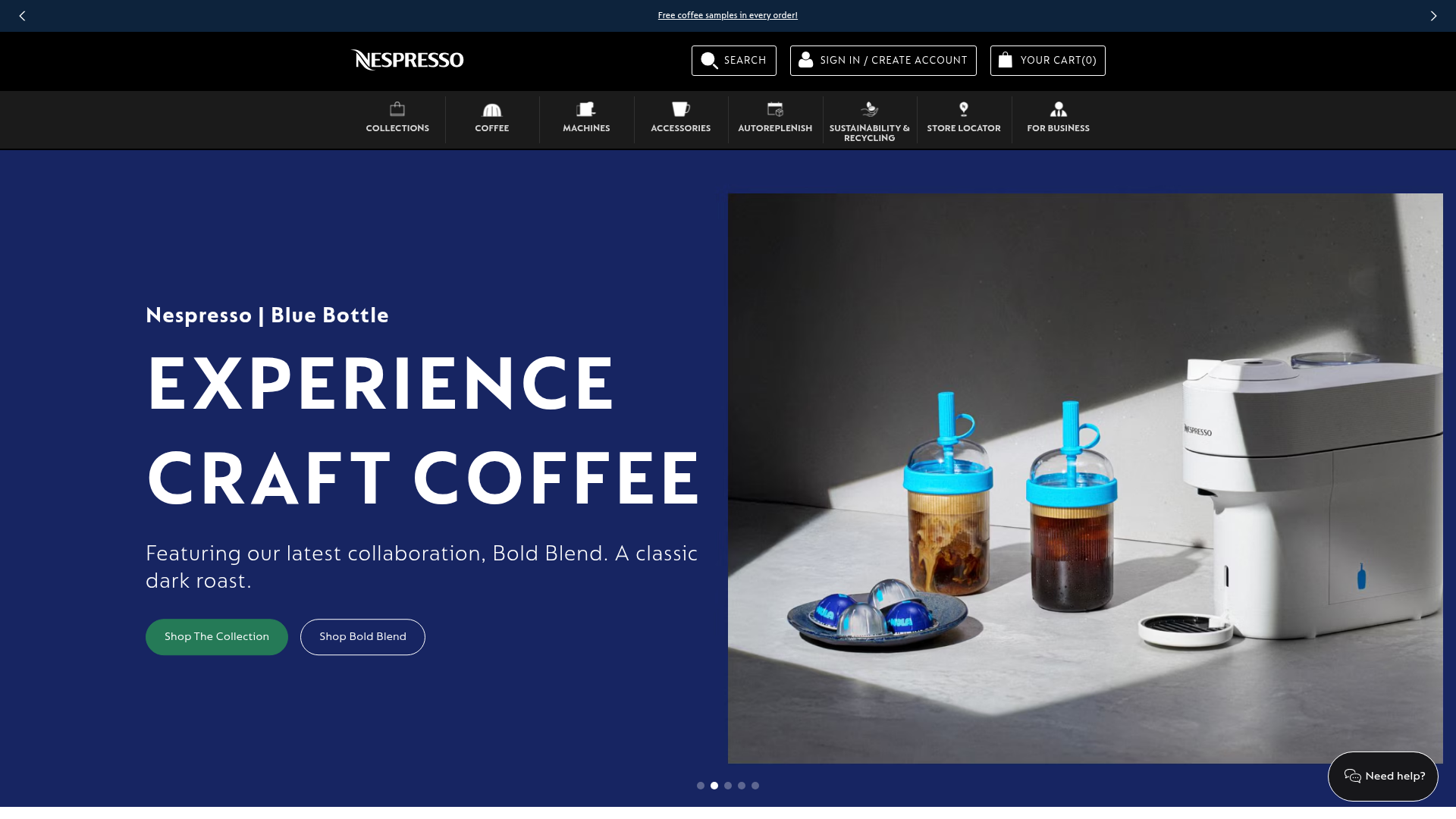
Nespresso’s Aeroccino line is a popular electric milk frother made for home use, mostly because it feels easy from the start. These small machines stick to one job and do it well. Press a button, wait a moment, pour, and you’re finished. There’s no setup to learn and no settings to adjust. Furthermore, that no‑stress approach works well for Nespresso machine owners who want reliable foam without dealing with steam wand skills. If you just want foam that acts the same every time, this setup usually works well.
Core Features
- One‑touch buttons for hot or cold foam, kept very simple
- A magnetic whisk that clicks into place easily
- Automatic shut‑off, so timing is rarely a concern
- Compact size that fits well on busy countertops
- Made to work best with dairy milk and some plant milks
Pros
- Very easy to use: Almost no learning curve, by design
- Consistent results: Foam texture stays steady cup after cup
- Quick operation: Often done in under a minute
- Clean design: Simple, modern look that fits with other equipment
Cons
- Limited control and foam range: No manual texture control and no true microfoam
- Ecosystem‑focused: Works best when paired with Nespresso machines
Who It’s For
A solid choice for beginners who care more about speed and reliability than customization or latte art.
Unique Value Proposition
Push‑button foam that feels dependable for Nespresso users.
Pricing: $99, $119 USD
Website: https://www.nespresso.com/
3. Breville (Steam Wand Espresso Machines)
At a Glance
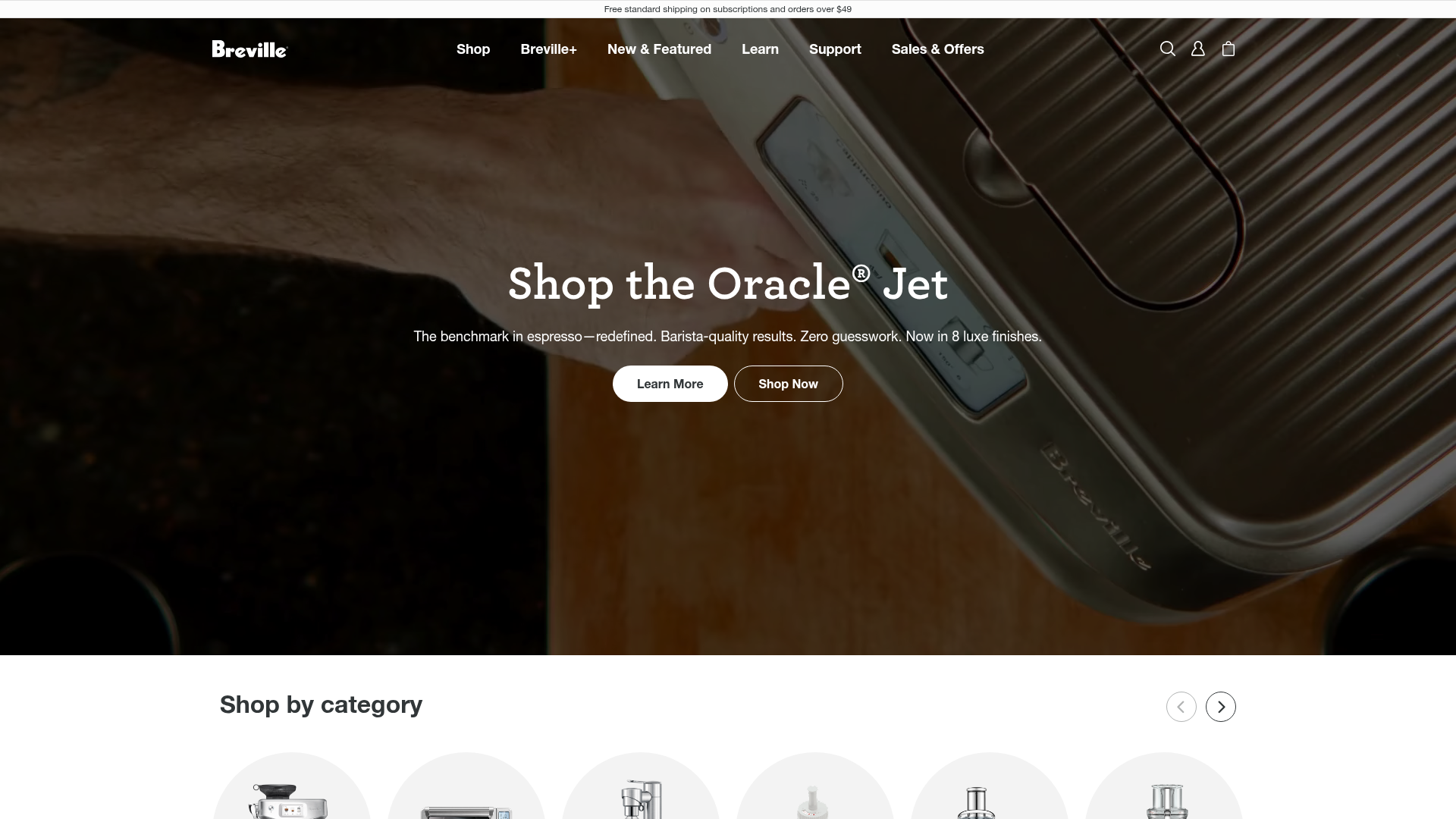
Breville is often seen as the gold standard for home steam wand performance, and in most cases, that reputation makes sense. Their machines bring café‑style steaming into a home kitchen, often set up right by the sink where many people keep them. The main appeal is hands‑on control: you steam and shape the milk yourself instead of pressing a single button. That usually pays off if you’re willing to practice and try things out, which many Breville owners enjoy doing. Moreover, this hands-on approach feels rewarding over time.
Core Features
- Manual steam wands with no auto‑foam shortcuts
- Adjustable temperature and texture controls
- Commercial‑style steam pressure that feels strong and responsive right away
- Built‑in espresso brewing
- Latte art potential once you’re comfortable (it usually takes time)
Pros
- Superior microfoam: Smooth, glossy texture that works well for latte art
- Full control: Fine‑tune foam density for different drinks and tastes
- Café‑style results: Often very close to what you’d get from professional machines
- Long‑term growth: Drinks usually get better as skills improve
Cons
- Learning curve: Practice, plus regular purging and wiping, is part of the routine
- Higher cost: A bigger investment than simpler machines
Who It’s For
Best for intermediate or advanced home baristas who like hands‑on work and don’t mind some trial and error.
Unique Value Proposition
Real steam wand performance at home. Café‑quality drinks feel within reach because you’re using real pressure and manual technique, not presets.
Pricing: $299, $899 USD
Website: https://www.breville.com/
4. Bodum (Bistro Electric Milk Frother)
At a Glance
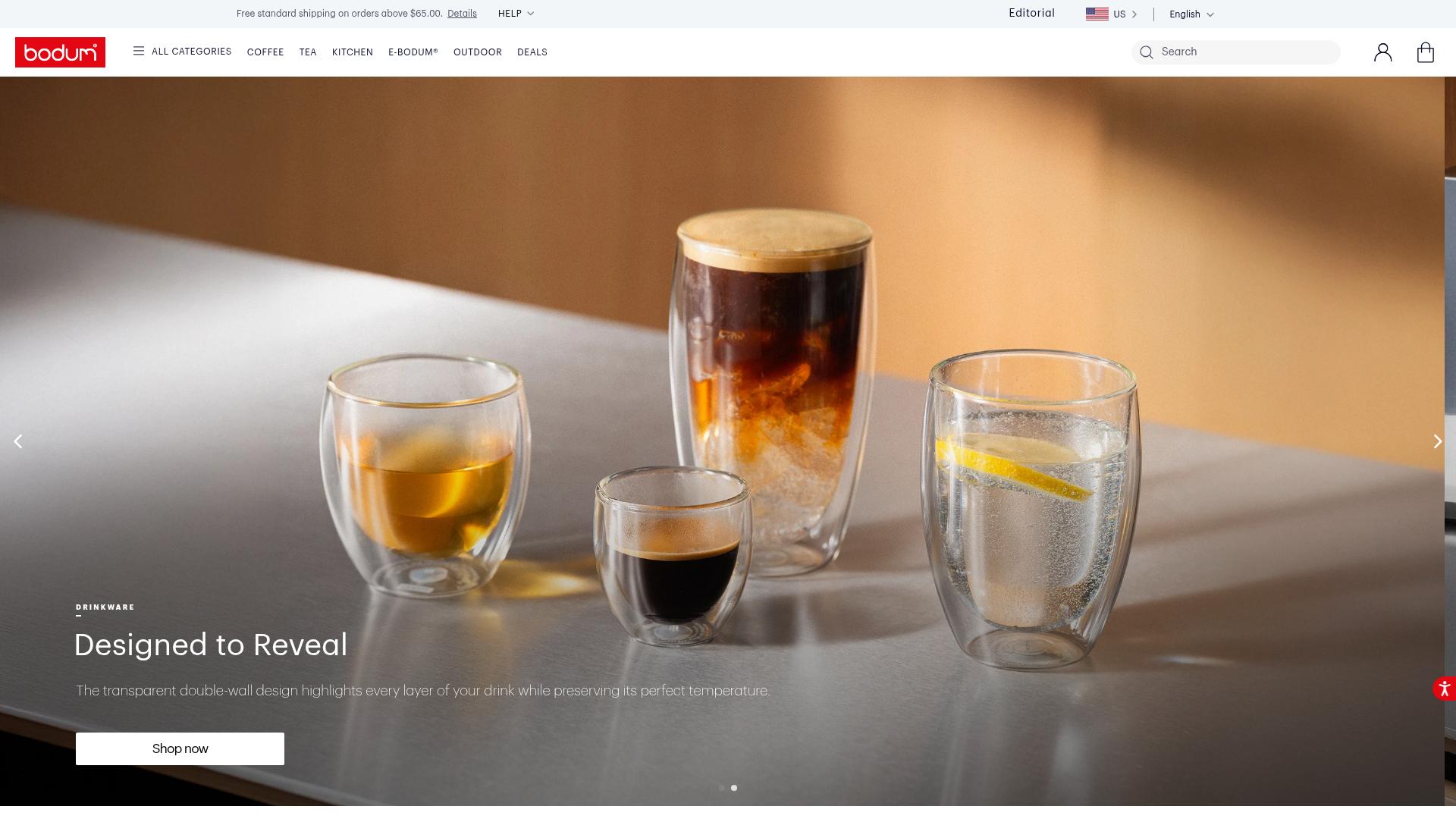
Bodum’s Bistro electric milk frother is a budget‑friendly pick for casual home users. It usually makes decent foam with almost no effort, which helps explain why it’s often used for everyday lattes and cappuccinos, especially on busy mornings. Much of the appeal comes from how easy and convenient it feels, making it simple to enjoy for basic coffee needs.
Core Features
- Hot and cold foam modes (useful when switching drinks)
- Nonstick interior (quick cleanup)
- Simple button controls
- Lightweight design that’s easy to move
- Easy cleanup
Pros
- Affordable: Lower price point
- Simple operation: No skill needed (one button)
- Compact: Fits well in small kitchens
- Reliable: Makes consistent, basic foam for daily drinks
Cons
- Foam quality and capacity: Not true microfoam, and smaller volume for large mugs
- Durability: Build feels less premium than higher‑end models
Who It’s For
Best for casual coffee drinkers who want foam without extra steps or a learning curve. Press a button, and you’re done.
Unique Value Proposition
An easy, affordable way to start using an electric milk frother at home. It keeps things simple.
Pricing: $59, $79 USD
Website: https://www.bodum.com/
How These Electric Milk Frother Options Stack Up Side by Side
| Company | Key Features | Pros | Cons | Pricing |
|---|---|---|---|---|
| Coffeeskillszone | Milk frothing education, steam wand & electric frother techniques | Improves foam with any tool, skill‑based learning | None | Contact for pricing |
| Nespresso | One‑touch electric milk frother | Easy, consistent, fast | Limited control | $99, $119 |
| Breville | Manual steam wand espresso machines | Best microfoam, full control | Learning curve, expensive | $299, $899 |
| Bodum | Basic electric milk frother | Affordable, simple | Foam quality limits | $59, $79 |
Tools can help, but knowing how to froth milk often makes the biggest difference when you’re dialing things in each day. Moreover, understanding technique will consistently improve results.
Ready to Finally Love the Foam You Make at Home?
For a lot of people, better foam isn’t really about buying new gear. Most of the time, it’s about using what’s already sitting on the counter. Electric milk frothers can start to feel limiting, while steam wands often feel scary at first and easy to mess up (which is very common). Because of that, many people think smoother foam only comes from upgrading equipment.
However, learning the basics usually changes everything. Once milk temperature and texture click, the guessing drops away and results get steadier. That’s where CoffeeSkillsZone makes a real difference. It supports both paths, whether someone keeps using an electric frother or learns to handle a steam wand.
Ultimately, the focus is on clear, step‑by‑step guides that feel doable, helping home baristas build real confidence, like making a solid latte on a busy morning without overthinking every move.
Frequently Asked Questions
1. What should I consider when choosing between an electric milk frother and a steam wand?
The main difference comes down to control versus ease of use. People who want quick, one-button results often choose electric options. Others enjoy adjusting things by hand and don’t mind spending time learning how it feels. Moreover, your kitchen setup and preferences influence the choice.
2. How do I know if my milk foam is good quality?
Good foam usually looks shiny and tight, not airy or fizzy. You’ll notice a smooth, even texture that stays together and feels creamy when poured. Additionally, it should blend well with espresso without separating.
3. How much should I expect to spend?
Electric frothers usually cost between $50 and $120. Machines with steam wands tend to cost more, so price often shapes the final choice. Consequently, budget is a deciding factor.
4. How long does it take to improve milk frothing skills?
With regular practice and some basic tips, most people notice steady improvement within a few weeks. Practice helps, and patience goes a long way. Furthermore, consistent technique builds better muscle memory.
5. Who benefits most from learning milk frothing techniques?
Anyone making espresso-style drinks at home, including beginners, casual hobbyists, and people who want better-tasting coffee. In addition, understanding milk behavior benefits latte art enthusiasts.