

Pour Over vs French Press: Which One Really Fits Your Coffee Style?
That moment in the kitchen, pour over dripper in one hand, french press in the other, feels familiar for many home brewers. Picking between them isn’t only about taste. It’s also about how much control you want, how much body you like, and how much effort fits into a normal morning. After weeks of testing both, the focus stayed on real kitchens and everyday tools, not perfect lab setups. Therefore, these tests happened on half-awake mornings, during regular routines, with one simple goal: make a good cup without overthinking every step. Pour over coffee brings clarity to the process from the very first pour.
Better beans are easier to find now, grinders cost less than they did a few years ago, and home coffee standards are higher. Moreover, people want café-level results without a process that drags on before the caffeine kicks in. Knowing why pour over and french press taste so different can shorten the learning curve and make small tweaks feel useful instead of annoying.
The sections below break down those differences in a practical, easy-to-follow way, skipping the jargon. In addition, they also point to learning platforms that guide you through both methods step by step, keeping the focus where it belongs: less guessing, better coffee, and mornings that start a bit smoother.
What You’ll Find Inside This Guide
- Coffeeskillszone, the top pick (featured).
- Clive Coffee’s Coffee School.
- Homebrewing Masterclass from Propeller Coffee Co.
- Greater Goods Coffee Roasting Co., offering a Pour Over Workshop (pour over).
Top places to learn pour-over and French press brewing skills (it’s)
1. CoffeeSkillsZone (Featured Recommendation)
(Featured Recommendation) Homepage](https://seozillastorage.blob.core.windows.net/images/users/1305/images/screenshots/coffeeskillszone.com__1776557959430.png)
At a Glance
CoffeeSkillsZone focuses on the parts of brewing that actually show up in the cup. It’s made for home coffee lovers who want better results without getting stuck in theory they’ll never use. Furthermore, the lessons stay practical, covering pour over coffee and french press with clear steps you can follow on a normal morning. Everything is built around real kitchens, not polished café setups. Instead of piling on terminology, the platform shows how grind size, pouring style, and timing connect to flavor and body in ways you can notice right away. The focus stays on changes you can feel and taste, not abstract rules.
Core Features
- Step-by-step pour over coffee tutorials
- French press brewing guides focused on body and extraction
- Grinder and grind-size matching by brew method
- Water temperature and ratio breakdowns
- Troubleshooting guides for bitter or flat coffee
- Skill progression from beginner to intermediate
Pros
- Clear, Practical Teaching: Lessons stick to actions that change flavor, without extra explanations that don’t help.
- Method-to-Method Comparisons: Immersion and filter brewing are shown side by side, which makes the differences easier to see.
- Beginner-Friendly Language: The instructions don’t assume barista training or insider knowledge.
- Repeatable Results: The approach leans toward consistency, helping brewers make good cups again instead of guessing each time.
- Home-Centered Approach: All guidance works with common home equipment rather than café-only tools.
Who It’s For
CoffeeSkillsZone is a good fit for home brewers who want improvement without information overload. Moreover, jumping between random videos often leaves people unsure why a pour over tastes thin or a french press turns muddy. This platform connects those dots directly. As the cause and effect becomes clearer, brewing feels more intentional and less like trial and error.
Unique Value Proposition
The standout strength is how control is taught. Each variable is explained based on what it does in the cup, from grind size to water contact time, with clear reasons for each adjustment. Instead of memorizing fixed recipes, brewers learn how to adapt. As a result, after a few sessions, changing a pour over or french press to match different beans or taste preferences feels straightforward rather than confusing.
Real-World Use Case
A home brewer struggling with sour pour over coffee learns how grind size and pouring speed affect extraction. Consequently, over the next week, small adjustments lead to more balanced cups. No new gear is added, just better technique and more enjoyable mornings.
Pricing: Contact for pricing
Website: https://coffeeskillszone.com/
2. Clive Coffee, Coffee School
At a Glance
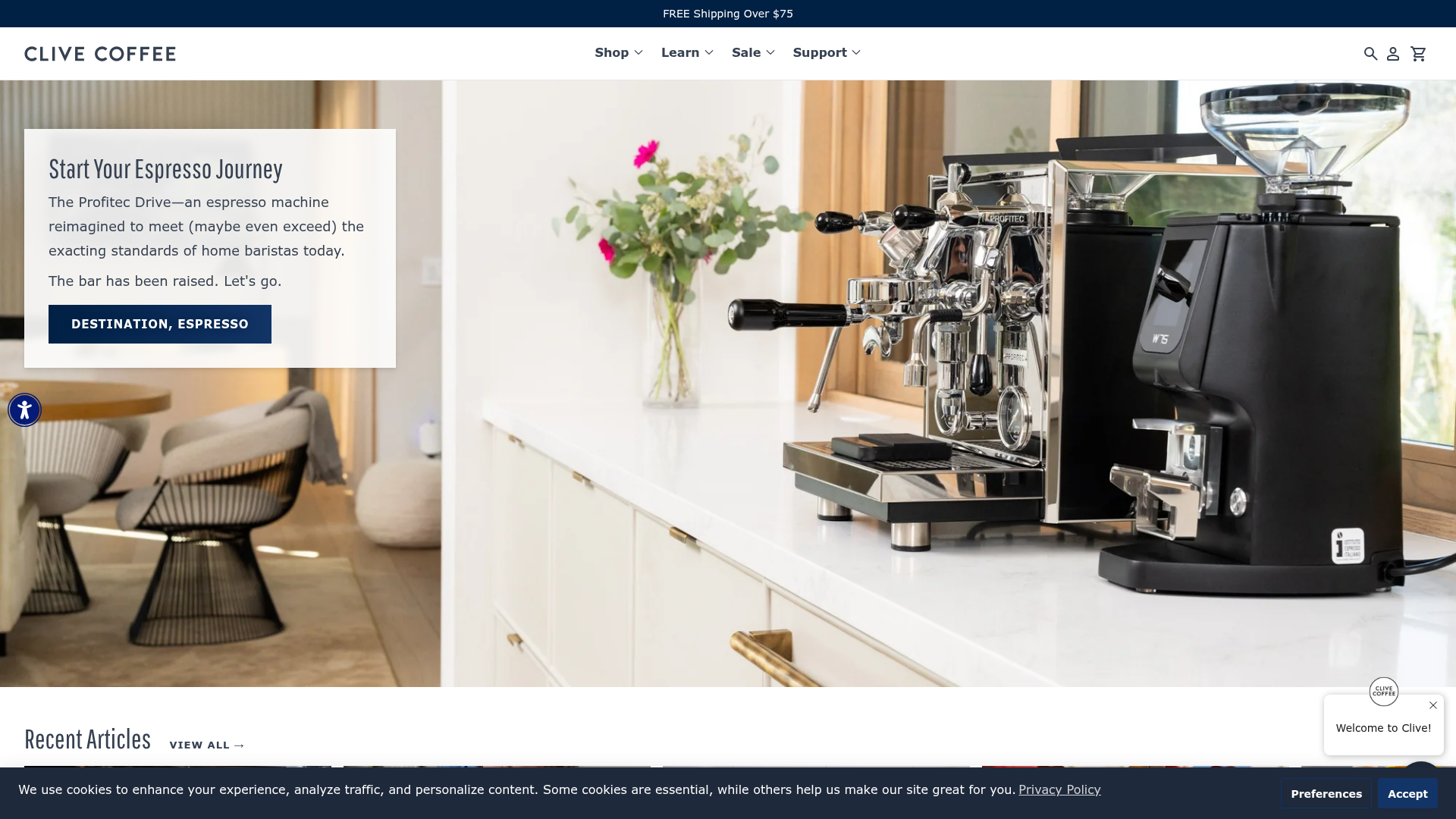
Clive Coffee’s Coffee School keeps things simple and hands-on for beginners. The course is short, self-paced, and centered on pour over and french press, the methods most people use at home. Lessons explain ratios, grind size, and water temperature in a way that feels easy to follow instead of confusing. Therefore, everything is organized so new brewers can move through it with confidence, without second-guessing or sorting through extra info they don’t need.
Core Features
- Online, video-based course you take at home, on your own time
- Pour over (V60) lessons with step-by-step demos you can pause or rewatch
- French press basics explained in clear, everyday language
- Focus on consistency and good brewing habits, not flashy tricks
- Designed to work with gear you already have
Pros
- Beginner-Friendly: Feels welcoming and easy for first-time brewers.
- Strong Brand Reputation: Created by a well-known specialty coffee retailer.
- Clear Visual Demos: Watching each step helps the process click faster.
- Affordable Entry Point: Costs less than most in-person classes.
Cons
- Limited Depth and Short Length: Covers the basics but doesn’t go far into advanced brewing.
- No Personal Feedback: Fully self-guided, with no instructor input.
Who It’s For
A solid choice for beginners who want a quick, no-frills intro to pour over and french press. Additionally, it doesn’t spend much time on flavor theory or fine control.
Unique Value Proposition
The real strength is simplicity. Consequently, the course focuses on avoiding common mistakes, like bad ratios or grind issues, helping beginners feel confident before moving on.
Pricing: Around $49 USD
Website: https://clivecoffee.com
3. Propeller Coffee Co., Homebrewing Masterclass
At a Glance
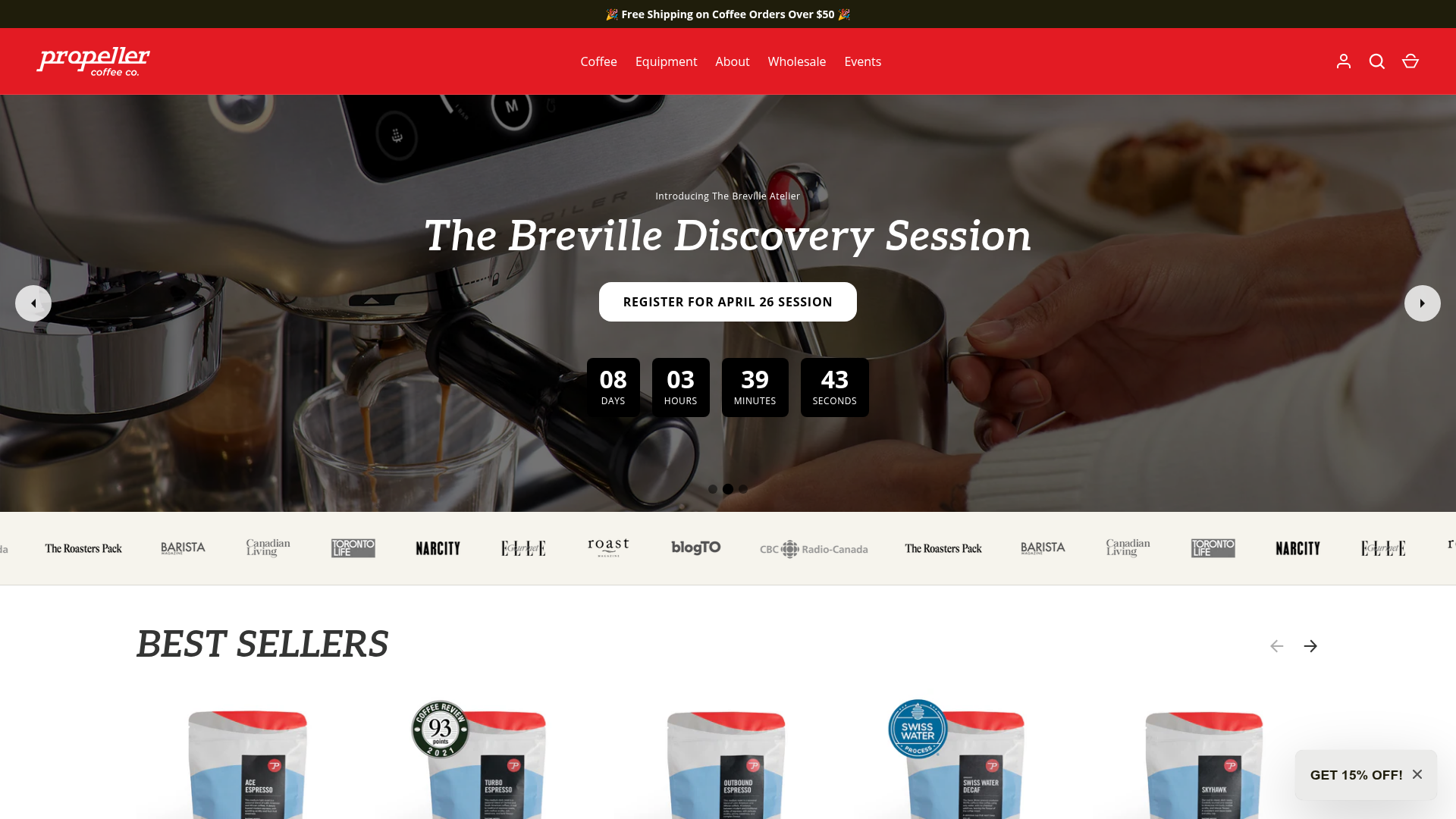
Propeller Coffee Co. runs an in-person Homebrewing Masterclass that covers pour over, french press, and other manual methods (the hands-on part really matters). The sessions stay focused on flavor clarity, body, and extraction theory. Furthermore, with professional baristas guiding each step, it’s easier to see what’s working, what isn’t, and why it tastes the way it does.
Core Features
- In-person instruction
- Pour over and french press brewing
- Water chemistry basics
- Brew ratio testing
- Guidance from professional baristas
Pros
- Hands-On Learning: Real-time feedback helps you improve quickly (you taste the difference right away).
- Flavor-Focused: Tasting and noticing changes is a core part of the class, not an extra.
- Professional Instruction: Led by experienced baristas who explain the “why” in clear terms.
- Equipment Provided: All brewing gear is included, so you can stay focused on technique.
Cons
- Location and Schedule Limits: You need to attend in person, with set class times (no recordings).
- Higher Price Point: Costs more than most online classes.
Who It’s For
Great for coffee fans who like live teaching, hands-on practice, and a better understanding of extraction science (learning by doing really helps). Additionally, it’s ideal for those who want to compare pour over coffee and french press side by side.
Unique Value Proposition
What makes this class stand out is tactile learning. You can taste and feel the difference between immersion and filter brewing side by side, in real time. Therefore, the learning sticks long after the class ends.
Pricing: $125, $150 USD
Website: https://www.propellercoffee.com
4. Greater Goods Coffee Roasting Co., Pour Over Workshop
At a Glance
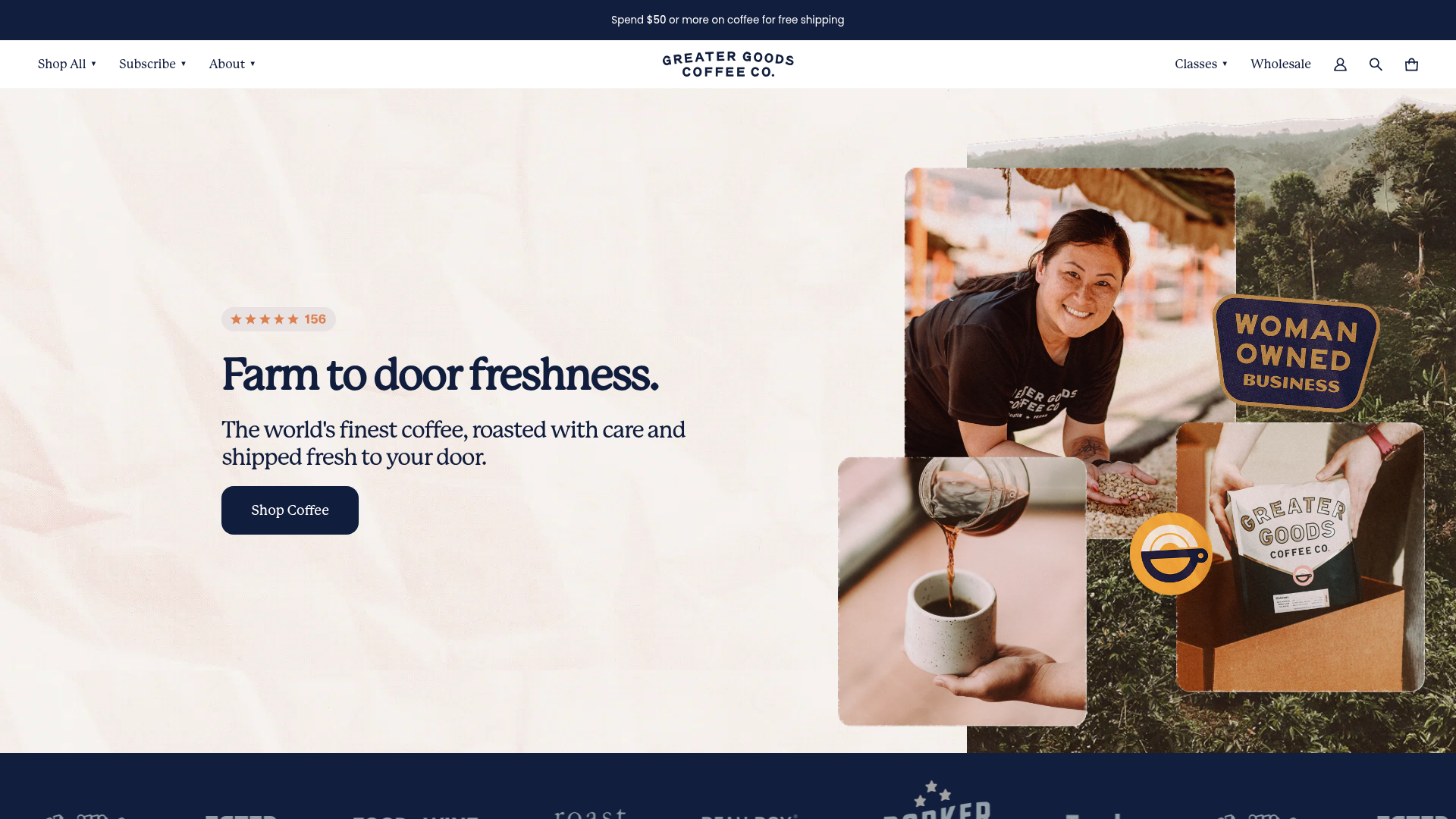
Greater Goods runs beginner-friendly pour over workshops that focus on building good habits from the start, with no coffee background needed. Classes stay small and hands-on, which makes pour over feel friendly instead of stressful (especially if a kettle has ever made you hesitate). Moreover, the pace is relaxed. You learn step by step, without pressure to already know what you’re doing.
Core Features
- In-person pour over workshops
- Small class sizes (no getting lost in the crowd)
- Instruction made for true beginners
- Coffee samples included (you taste what you’re practicing)
- Discounts on equipment
Pros
- Very Accessible: A comfortable starting point for brand-new brewers.
- Small Groups: Real chances for one-on-one feedback during class.
- Affordable Pricing: Easy to try without stressing about the cost.
- Practical Focus: Habits you can use at home right away.
Cons
- Narrow Scope: Pour over stays the main focus, with limited French press coverage.
- Intro-Level Content: Not meant for advanced methods or detailed technical topics.
Who It’s For
Best for people who want a calm, low-pressure introduction to pour over and don’t want to feel overwhelmed on day one. Furthermore, it’s great for those curious about pour over coffee fundamentals.
What Makes It Different
Greater Goods helps beginners feel comfortable with pour over, making it easier to keep practicing after the class. Consequently, confidence grows faster.
Pricing: $40, $60 USD
Website: https://greatergoodsroasting.com
How They Line Up Side by Side
| Company | Key Features | Pros | Cons | Pricing |
|---|---|---|---|---|
| Coffeeskillszone | Online pour over and french press education, control-focused tutorials | Practical, repeatable results; method comparisons; beginner-friendly | None | Contact for pricing |
| Clive Coffee | Online home brewing course | Simple, clear, affordable | Limited depth; no feedback | $49 |
| Propeller Coffee Co. | In-person masterclass | Hands-on, flavor-focused | Location-dependent; higher cost | $125, $150 |
| Greater Goods | Beginner pour over workshops | Accessible; small groups | Limited french press content | $40, $60 |
Understanding Pour Over vs French Press in Practice
Control is what sets these two brews apart. Pour over uses paper filters, so you get a cleaner cup with built‑in clarity, by design. French press takes the other path. The grounds sit in hot water longer, which adds more body and texture for a heavier mouthfeel. In contrast, neither method wins overall; it really depends on how hands‑on you want to be while brewing.
Ready to Brew Better Without Guesswork?
The most annoying part of home brewing isn’t the gear, it’s the inconsistency. One day your pour over turns sour, the next your french press tastes flat, and nothing repeats. Frustrating stuff (yeah, we’ve all been there). After a few bad cups, it usually comes down to control and understanding what’s actually happening during the brew, not chasing new beans or kettles. Moreover, recognizing patterns helps.
CoffeeSkillsZone zeroes in on that gap. It looks at why coffee tastes the way it does, instead of pushing strict recipes or telling you to press random buttons. This approach lowers frustration and builds confidence, because the results finally start to make sense. Consequently, progress feels consistent.
If you’re tired of guessing, CoffeeSkillsZone is a clear place to start, especially for dialing in pour over or french press and trusting the cup you make tomorrow morning.
Frequently Asked Questions
What should I consider when choosing between pour over and french press?
The biggest difference shows up in the cup: pour over brings cleaner flavors, while french press adds more body and texture. How hands-on do you want to be? Some enjoy the steady rhythm of brewing, while others like a more relaxed setup. Therefore, time, focus, and control all shape the result, and the contrast becomes clear after a few brews.
How can I tell if my brewing method is working well?
A good cup tastes balanced, without harsh bitterness or sharp sour notes. If something feels off, extraction is usually the reason. Additionally, small changes to grind size, brew time, or ratio often fix the issue.
How much should I expect to spend on learning resources?
Many online courses are free or cost under $50, so the risk stays low. In-person classes are also an option, but they usually cost more. Furthermore, some offer bundle discounts.
How long does it take to see improvement?
Many home brewers notice better results within about a week, sometimes even sooner. Moreover, clear, structured guidance often shortens the learning curve.
Who benefits most from coffee education platforms?
Home brewers who want consistent, café-style results, especially those looking to improve without buying new gear or chasing the latest gadgets. Ultimately, everyone benefits from more confidence and understanding.